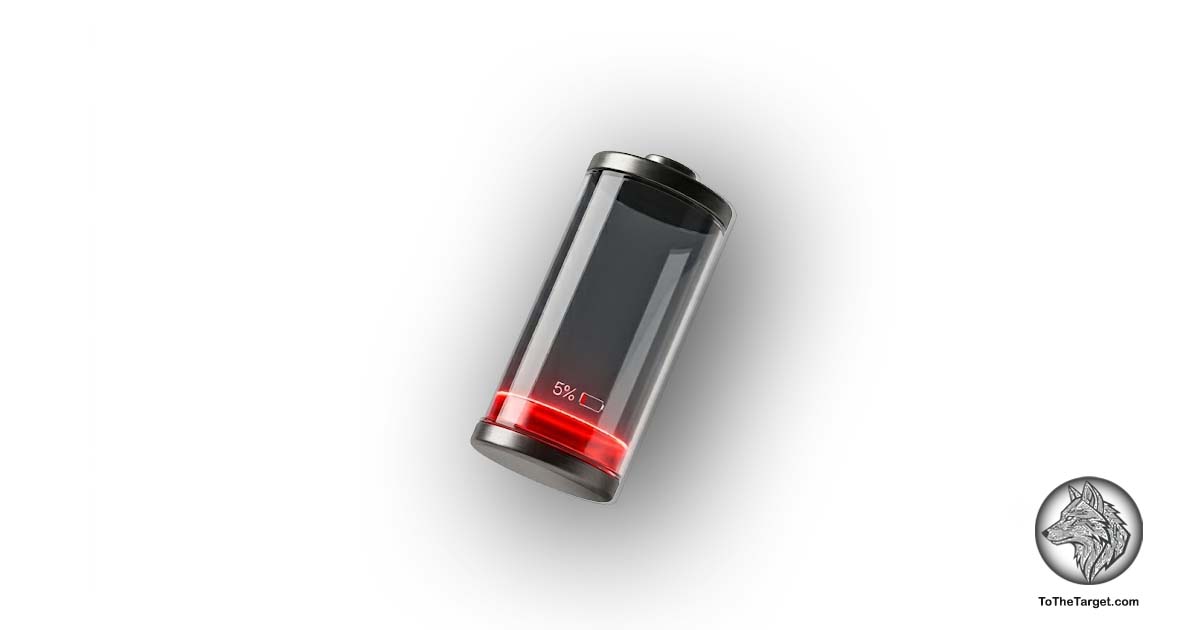
1. The Myth of Inexhaustible Willpower
Most managers view willpower as a moral trait: “If you really wanted to, you would get it done.” It is the most expensive perceptual error in business.
Modern neuroscience research shows that willpower is not a moral trait, but a finite biological resource, directly dependent on glucose and dopamine reserves in the prefrontal cortex. Willpower works just like a muscle: early in your waking hours it is rested, but after every use, it tires.
2. The Anatomy of Decision Fatigue
Routine micro-decisions (what to wear, what to eat, which unimportant message to open first) consume your decision-making fuel as background noise before you even get to high-value work.
The result? Decision Fatigue sets in:
- Risk Aversion and Procrastination: You delay critical decisions or delegate them poorly.
- Defaulting to the Easy Option: You choose the path of least resistance, not the best solution.
- Loss of Self-Control: You give in to distractions, scroll social media, or react impulsively to colleagues.
3. Biological Rhythms: Circadian and Ultradian Cycles
Beyond willpower depletion, human brain performance is dictated by two fundamental biological mechanisms:
- Circadian Rhythm (Chronotype): Every person’s internal clock determines their natural peak energy windows. Some operate at peak efficiency early in the morning, others in the afternoon or evening.
- Ultradian Rhythm (90-Minute Cycle): Within this energy window, the brain can sustain extreme focus for only 90–120 minutes (Peak Phase). After this interval, you automatically enter a biological recovery phase.
A manager who ignores these two rhythms — forcing people into rigid fixed hours and uninterrupted 4-hour meetings — pushes the brain straight into the Negative Returns zone of Illich’s Law.
4. Decision Paralysis vs. Strategic Incubation
In both situations, from the outside, it looks like “you are doing nothing.” However, your biological fuel consumption is fundamentally different:
- Paralysis by Fear (Massive Passive Drain): You are not inactive; you are idling at redline. Instead of taking action, your brain aggressively consumes decision energy simulating catastrophic scenarios.
- Strategic Incubation (Minimal Background Drain): Forcing a complex decision under pressure guarantees a poor choice. Incubation means consciously giving yourself permission to pause the decision (24–48 hours). Disconnect the prefrontal cortex — stop thinking about the problem and engage in a relaxing activity — while your subconscious processes the data in the background with minimal battery drain.
The difference is simple: Paralysis by fear is a toxic energy leak; Incubation is an optimization process.
5. Fuel Protection Protocol: Preparation in Peace
To protect your biological battery for high-value work, you need a pre-planning and automation strategy:
- Plan Routine Decisions While Relaxed: Never make logistical decisions when you are already under pressure.
- Eliminate “Small Decisions” from Your First Energy Window: Don’t waste energy at start-up asking yourself, “What should I do today?”
- Apply the “No First-Hour Email” Rule: Do not open messaging apps before tackling your first high-priority task.
- Work in Ultradian Rhythms (90-Minute Sprints): Allocate uninterrupted 90-minute blocks for heavy work, strictly followed by a 15-minute real break (no screens, physical movement, true disconnect).
If you liked this article, you’ll love what’s inside. This tool is forged and battle-tested inside our playbooks: